De Tomaso
De Tomaso
De Tomaso Automobili Confirms Final P900 V12 Specification and Announces Collaboration with ItalTecnica
Feb 24, 2026
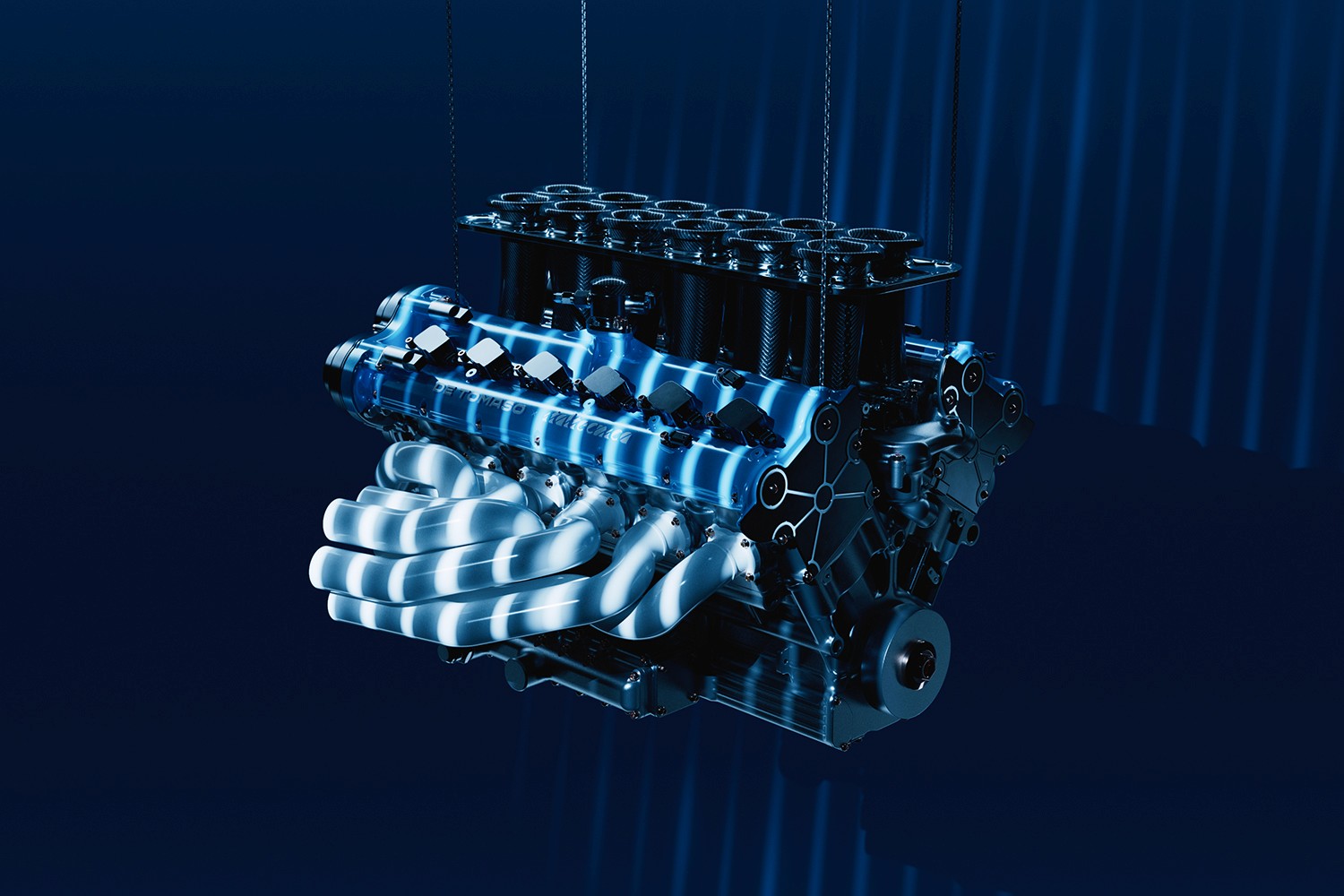
De Tomaso Automobili today confirms the final engine specification for the highly anticipated P900 and announces a strategic technical collaboration with Italian powertrain specialists ItalTecnica.
At the P900’s core will sit a 7.0-litre naturally aspirated V12, developed by ItalTecnica and configured exclusively for track use. This defines the final direction for the P900 programme, one shaped by Italian heritage and emotional resonance.
De Tomaso Automobili today confirms the final engine specification for the highly anticipated P900 and announces a strategic technical collaboration with Italian powertrain specialists ItalTecnica.
At the P900’s core will sit a 7.0-litre naturally aspirated V12, developed by ItalTecnica and configured exclusively for track use. This defines the final direction for the P900 programme, one shaped by Italian heritage and emotional resonance.
Share
Media Kit
Contact
media@detomaso-automobili.com
The Return Of The Twelve
The Return Of The Twelve
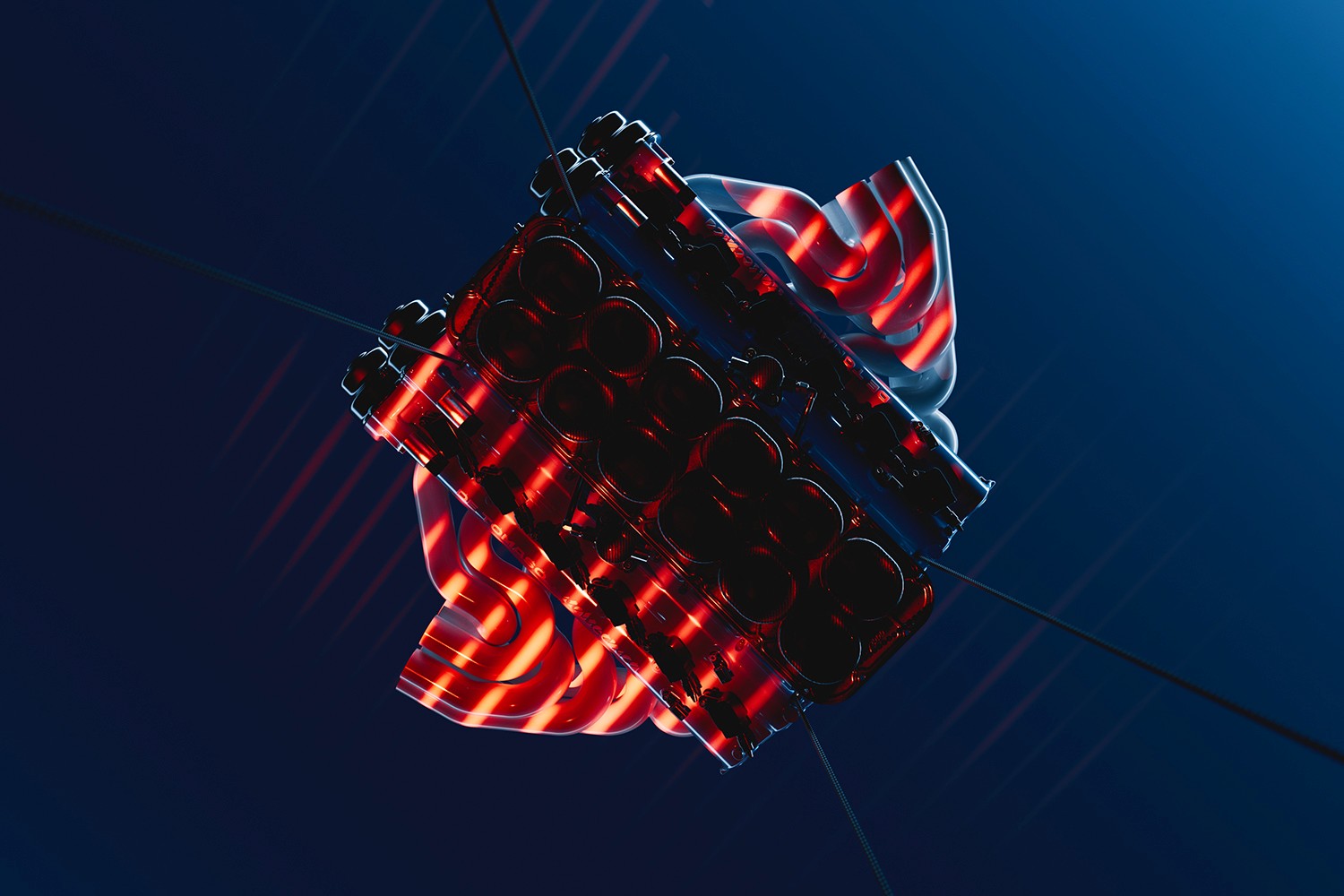
The all-new V12 is a 65-degree naturally aspirated architecture conceived in defiance of convention. No electrification. No forced induction.
Track Specification:
Configuration: | 65° naturally aspirated V12 |
Displacement: | 7.0 litres |
Peak Power: | 900 hp at approximately 9,500 rpm |
Redline: | 10,200 rpm |
Lubrication: | Eight-stage dry sump system |
Valvetrain: | Dual overhead camshafts per bank, four titanium valves per cylinder |
Distribution: | Full gear-driven cascade |
Construction: | Billet aluminum with extensive titanium and carbon components |
Engine Weight: | Sub-200 kg complete unit |
Under ItalTecnica’s direction, ensuring this level of performance within compact dimensions demanded selective material choices.
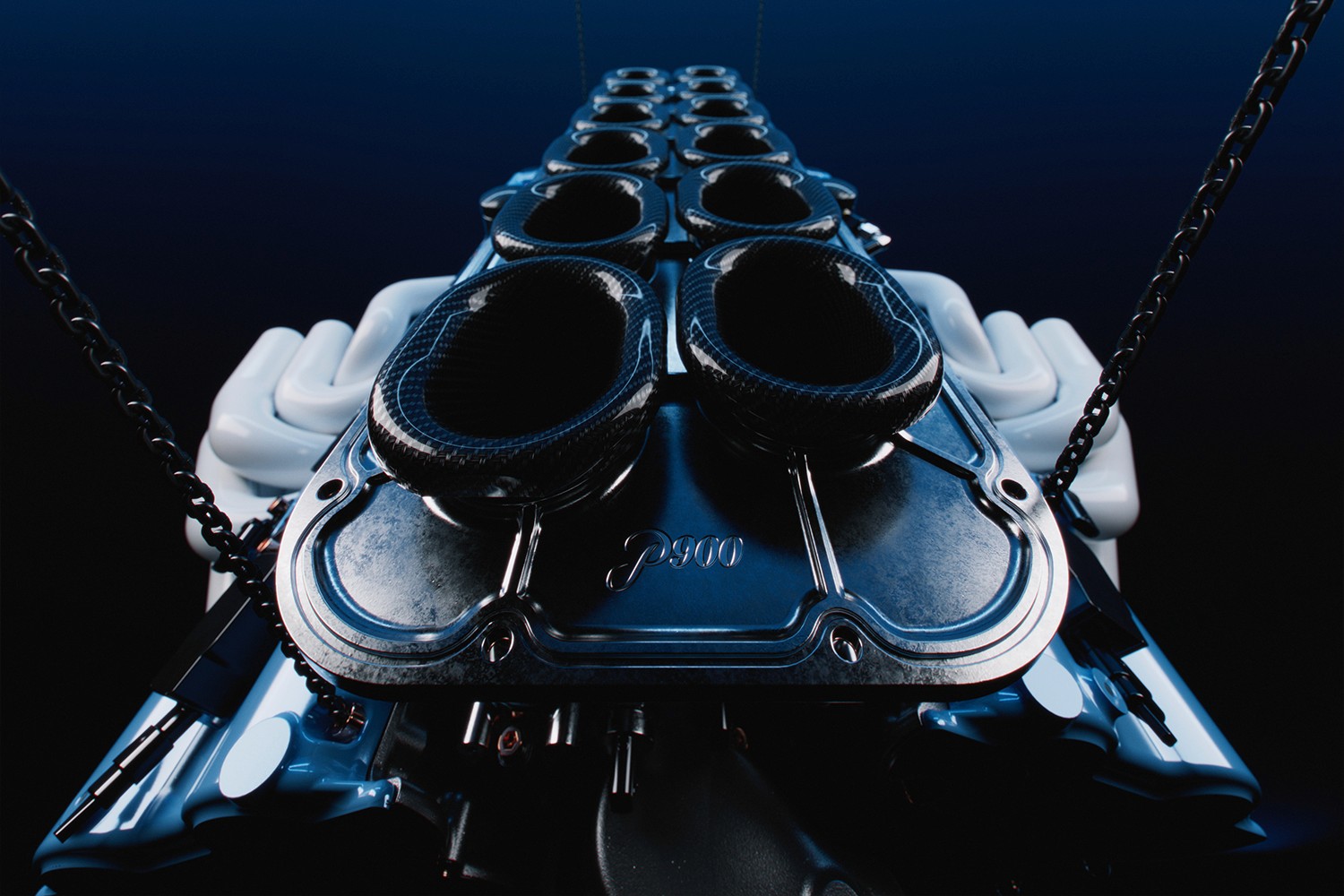
The crankcase is machined from solid billet aluminium for rigidity and weight control. The carbon intake system, supported by billet structures, is engineered as much for sound character as airflow efficiency. Forged connecting rods, ultra-light pistons, high compression ratios and immediate throttle response.
The objective was not purely concentrated on power, but response, absolute immediacy on command. An engine not built for a brochure, but for the driver.
The all-new V12 is a 65-degree naturally aspirated architecture conceived in defiance of convention. No electrification. No forced induction.
Track Specification:
Configuration: | 65° naturally aspirated V12 |
Displacement: | 7.0 litres |
Peak Power: | 900 hp at approximately 9,500 rpm |
Redline: | 10,200 rpm |
Lubrication: | Eight-stage dry sump system |
Valvetrain: | Dual overhead camshafts per bank, four titanium valves per cylinder |
Distribution: | Full gear-driven cascade |
Construction: | Billet aluminum with extensive titanium and carbon components |
Engine Weight: | Sub-200 kg complete unit |
Under ItalTecnica’s direction, ensuring this level of performance within compact dimensions demanded selective material choices.
The crankcase is machined from solid billet aluminium for rigidity and weight control. The carbon intake system, supported by billet structures, is engineered as much for sound character as airflow efficiency. Forged connecting rods, ultra-light pistons, high compression ratios and immediate throttle response.
The objective was not purely concentrated on power, but response, absolute immediacy on command. An engine not built for a brochure, but for the driver.
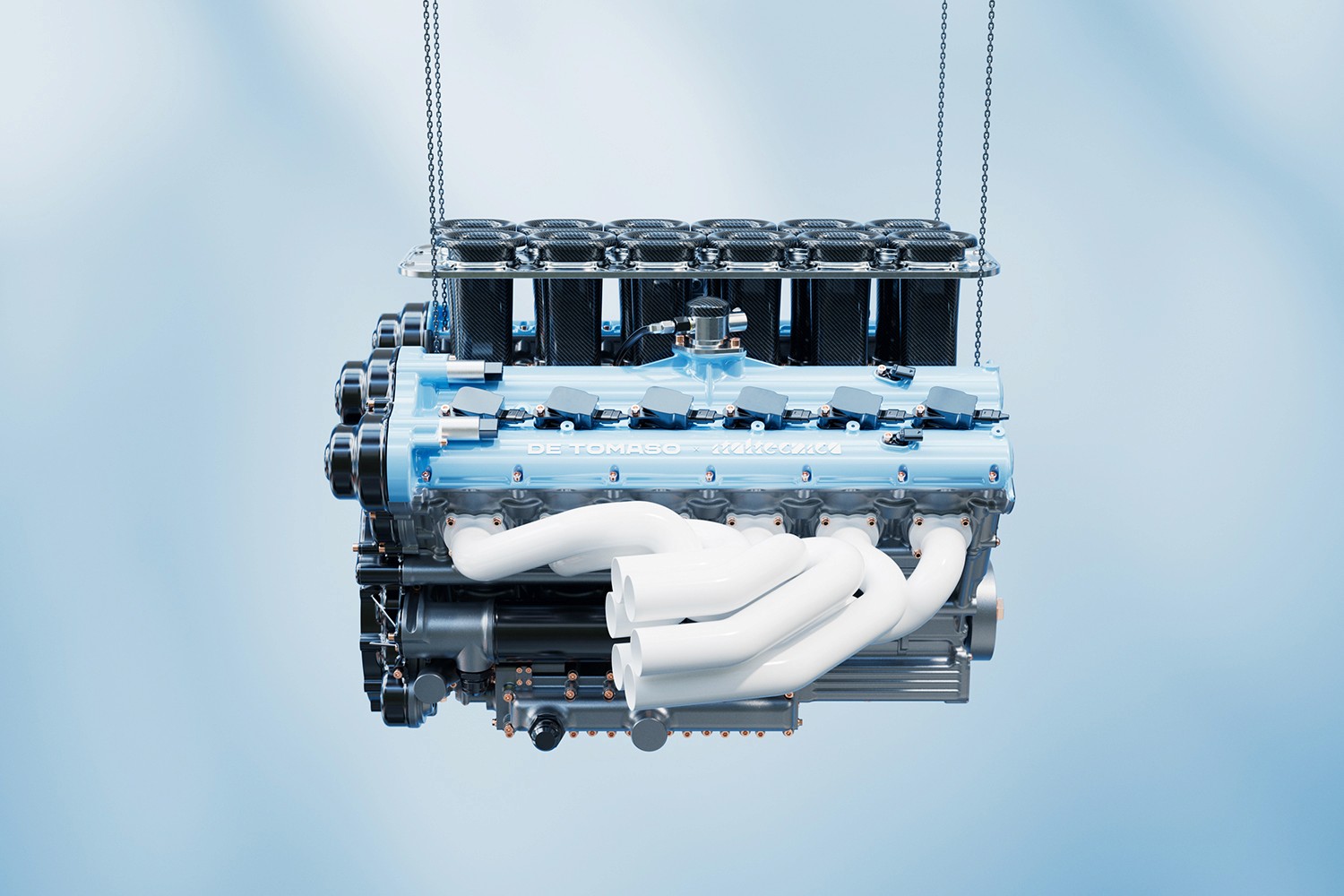
10,200 RPM. Gear-Driven. Formula 1 Inspired.
The distribution system is a full cascade of gears, a complex architecture historically associated with Formula 1 V12 engines. This solution ensures absolute timing precision even at extreme rotational speeds.
Each bank carries dual overhead camshafts operating titanium valves to reduce inertia and maintain stability beyond 10,000 rpm. As seen in contemporary racing practice, an eight-stage oil system ensures lubrication under the sustained loads expected in dedicated circuit use. Every component of the design exists to serve one metric, mechanical consistency at maximum attack.
10,200 RPM. Gear-Driven. Formula 1 Inspired.
The distribution system is a full cascade of gears, a complex architecture historically associated with Formula 1 V12 engines. This solution ensures absolute timing precision even at extreme rotational speeds.
Each bank carries dual overhead camshafts operating titanium valves to reduce inertia and maintain stability beyond 10,000 rpm. As seen in contemporary racing practice, an eight-stage oil system ensures lubrication under the sustained loads expected in dedicated circuit use. Every component of the design exists to serve one metric, mechanical consistency at maximum attack.
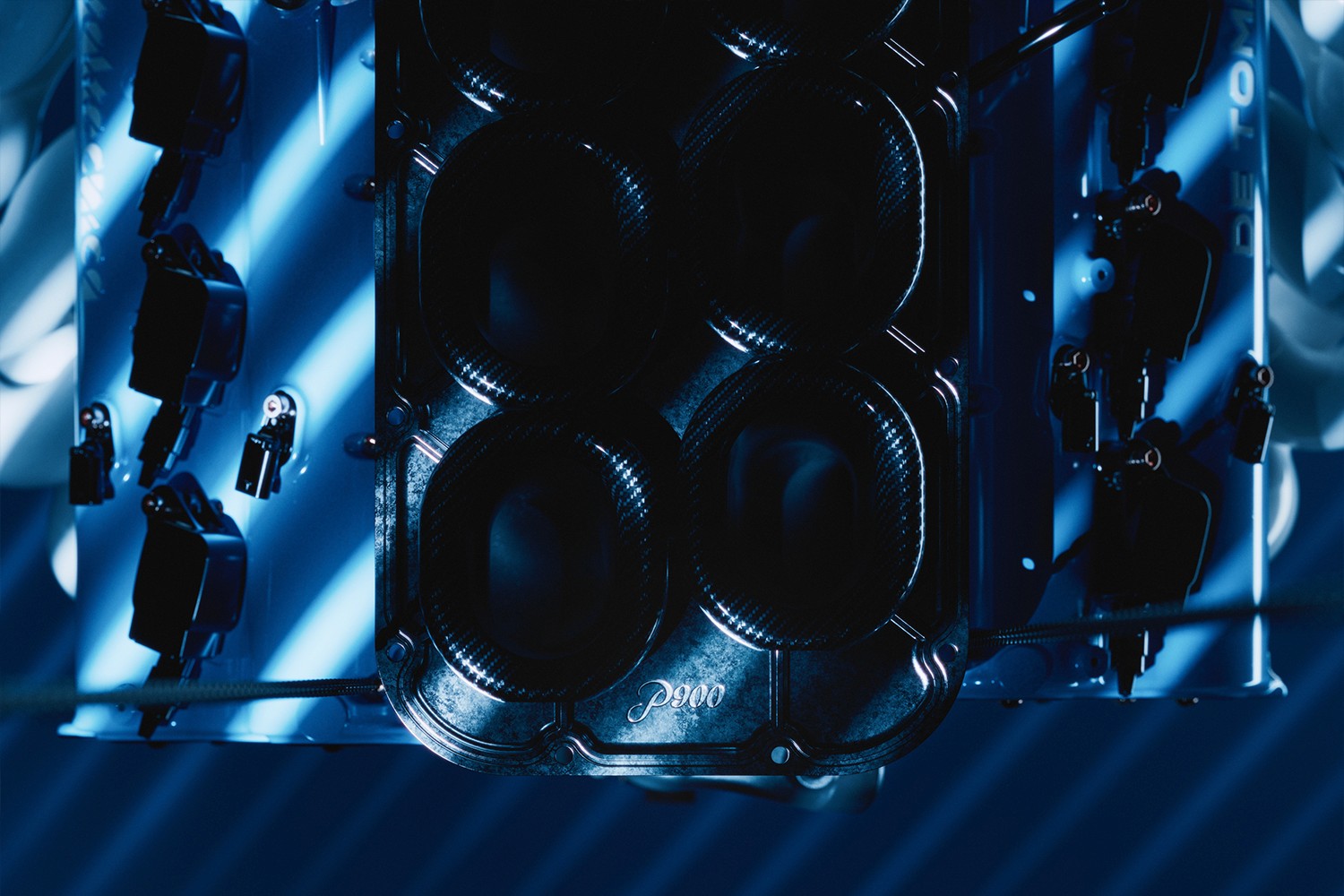
“If It Must End, Let It Sing”
Development of the P900, conceptually unveiled in late 2022, has been through a series of changes. Over time, the vehicle has unfolded against the backdrop of a rapidly changing automotive landscape, one that sees the approaching " silent future " weighing heavily on the minds of automotive enthusiasts.
Rather than chasing peak numbers or electrification, the teams at De Tomaso and ItalTecnica stepped back and asked a harder question. “If this were to be one of the last naturally aspirated V12s developed in this era, what should it stand for?” A number on a chart, or a memory that lingers?
The final objective became clear, to define a powertrain with a true identity, one that prioritised response and amplified acoustics as much as measurable power output.
A V12 that felt defiant and alive.
Both organisations shared the same conviction. Performance is truly measured through immediacy and heard through the chambers of combustion. Our platform does not chase silence. It is designed to celebrate sound. An engine for those who remember the era of Formula 1 V12' s defining Sundays, when noise was not a by-product, but the defining signature of a marque.
“If It Must End, Let It Sing”
Development of the P900, conceptually unveiled in late 2022, has been through a series of changes. Over time, the vehicle has unfolded against the backdrop of a rapidly changing automotive landscape, one that sees the approaching " silent future " weighing heavily on the minds of automotive enthusiasts.
Rather than chasing peak numbers or electrification, the teams at De Tomaso and ItalTecnica stepped back and asked a harder question. “If this were to be one of the last naturally aspirated V12s developed in this era, what should it stand for?” A number on a chart, or a memory that lingers?
The final objective became clear, to define a powertrain with a true identity, one that prioritised response and amplified acoustics as much as measurable power output.
A V12 that felt defiant and alive.
Both organisations shared the same conviction. Performance is truly measured through immediacy and heard through the chambers of combustion. Our platform does not chase silence. It is designed to celebrate sound. An engine for those who remember the era of Formula 1 V12' s defining Sundays, when noise was not a by-product, but the defining signature of a marque.
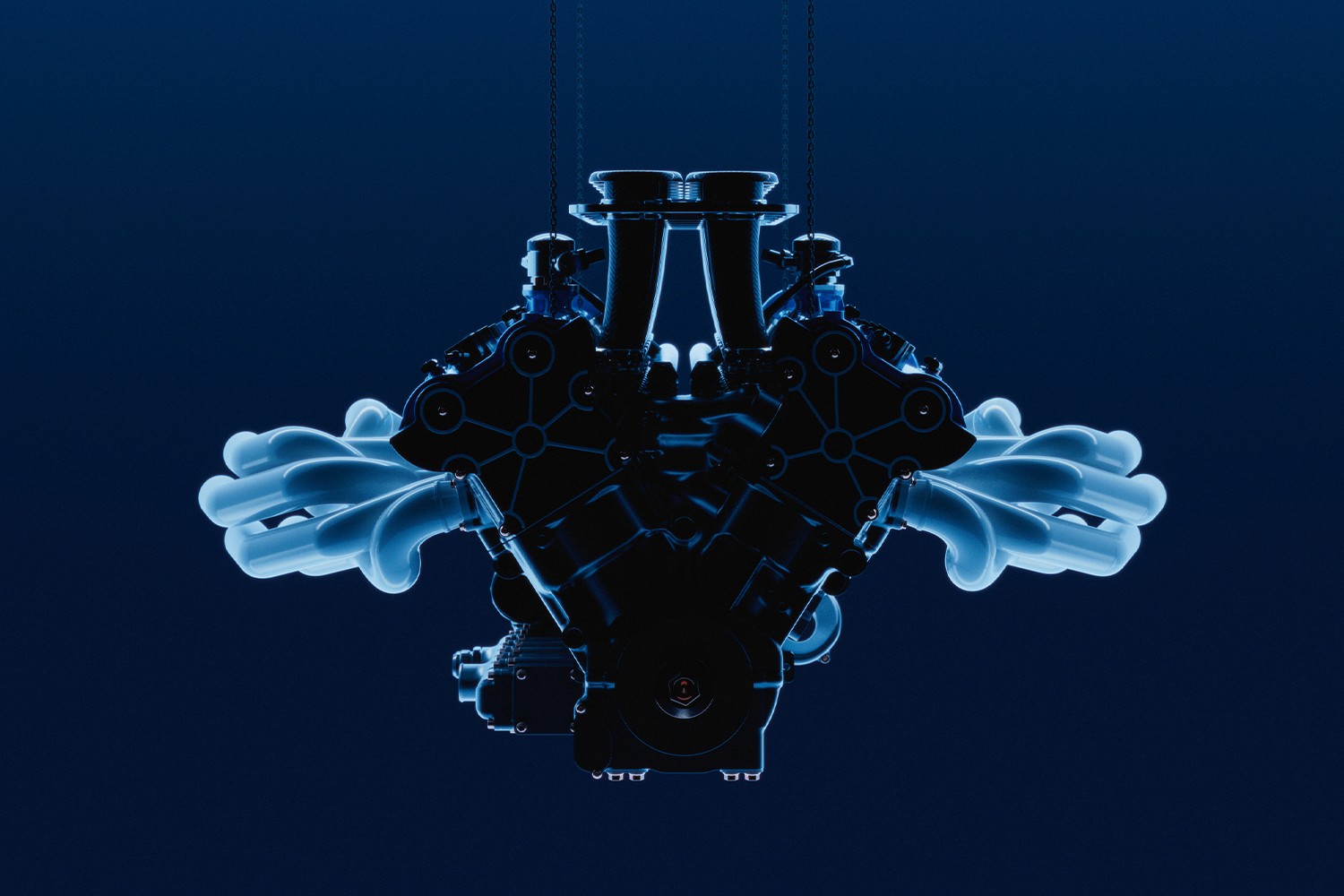
Innovation Shaped By Heritage
In 1970, Alejandro de Tomaso began exploring the development of a proprietary V12. Several concepts were commissioned and preliminary engineering undertaken, yet the programme was never fully realised. Circumstance intervened.
As custodians of the marque today, Norman Choi and his team view the ItalTecnica x De Tomaso V12 as the continuation of that ambition, not as revival for its own sake, but as the completion of an unfinished chapter.
Since the marque’s return in 2019, the message from our community has been consistent: bring back the twelve.
This is the answer.
Innovation Shaped By Heritage
In 1970, Alejandro de Tomaso began exploring the development of a proprietary V12. Several concepts were commissioned and preliminary engineering undertaken, yet the programme was never fully realised. Circumstance intervened.
As custodians of the marque today, Norman Choi and his team view the ItalTecnica x De Tomaso V12 as the continuation of that ambition, not as revival for its own sake, but as the completion of an unfinished chapter.
Since the marque’s return in 2019, the message from our community has been consistent: bring back the twelve.
This is the answer.
Architecture Of Influence
The decision to partner with an Italian engineering house was not strategic alone.
ItalTecnica carries the legacy of another Italian icon, Claudio Lombardi, one of the country’s great engine architects. His career spanned Formula 1’s naturally aspirated V12 era and winning programmes in the World Rally Championship.
Beyond titles and achievements, Lombardi believed something fundamental: an engine must have integrity. It must respond without hesitation. It must sound honest.
In the later years of his life, Carlo Cavagnero — now leading ItalTecnica — stood beside him, not simply as a colleague, but as an apprentice. Listening. Learning. Absorbing not just data, but philosophy. When Claudio sadly passed away in 2025, that knowledge did not disappear. It had already been entrusted to the next generation.
Today, Carlo carries those teachings with quiet pride and deep responsibility. For him, this V12 is more than an engine programme. It is a heartfelt tribute. Perhaps the greatest honour of his career.
It is the continuation of a philosophy shaped across Formula 1 grids and rally stages, now expressed in twelve cylinders.
At 10,200 rpm, Lombardi’s influence is not simply remembered. It is heard.
Architecture Of Influence
The decision to partner with an Italian engineering house was not strategic alone.
ItalTecnica carries the legacy of another Italian icon, Claudio Lombardi, one of the country’s great engine architects. His career spanned Formula 1’s naturally aspirated V12 era and winning programmes in the World Rally Championship.
Beyond titles and achievements, Lombardi believed something fundamental: an engine must have integrity. It must respond without hesitation. It must sound honest.
In the later years of his life, Carlo Cavagnero — now leading ItalTecnica — stood beside him, not simply as a colleague, but as an apprentice. Listening. Learning. Absorbing not just data, but philosophy. When Claudio sadly passed away in 2025, that knowledge did not disappear. It had already been entrusted to the next generation.
Today, Carlo carries those teachings with quiet pride and deep responsibility. For him, this V12 is more than an engine programme. It is a heartfelt tribute. Perhaps the greatest honour of his career.
It is the continuation of a philosophy shaped across Formula 1 grids and rally stages, now expressed in twelve cylinders.
At 10,200 rpm, Lombardi’s influence is not simply remembered. It is heard.
Track Focused, For Now...
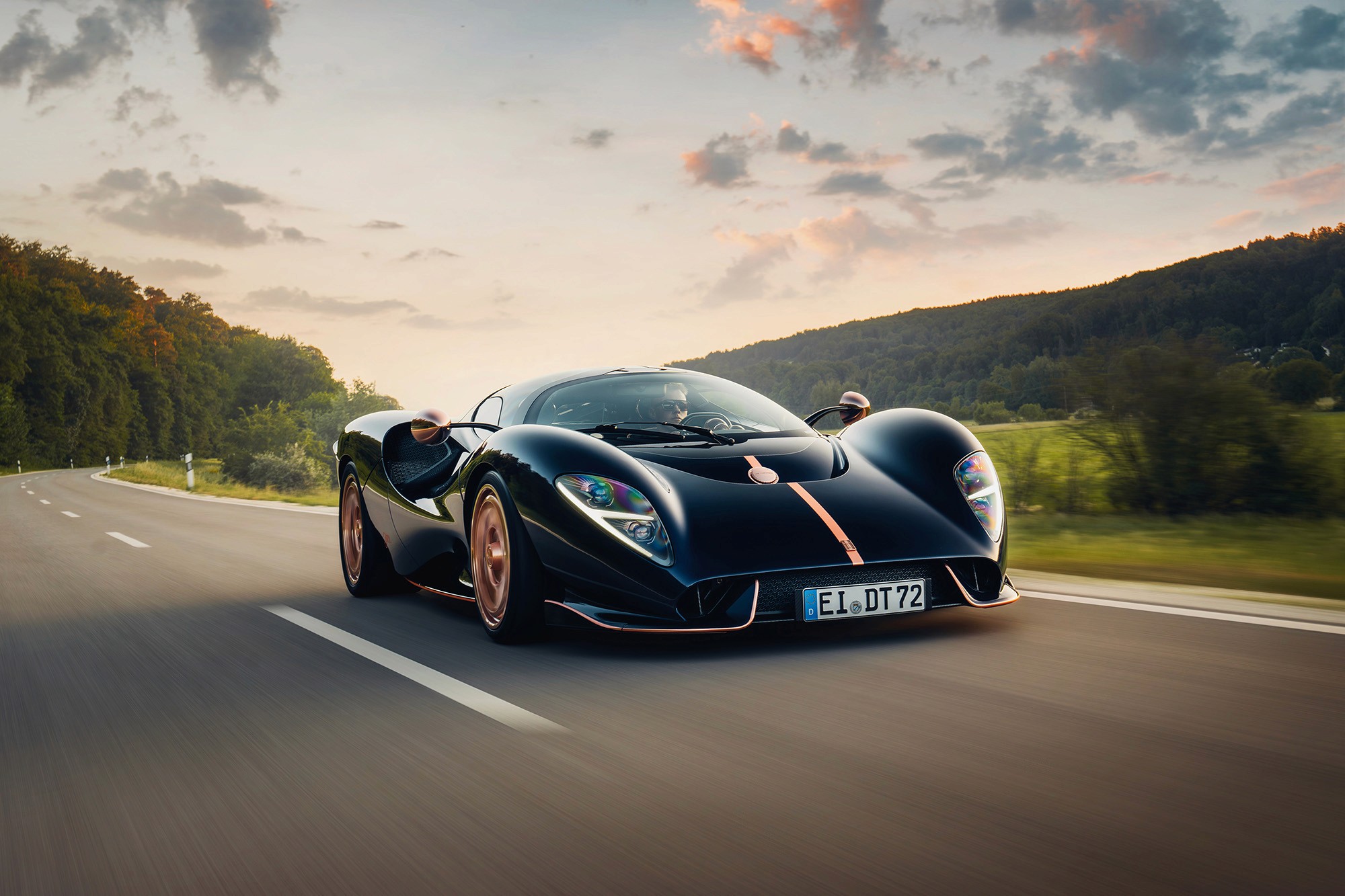
The P900 is configured exclusively for track use at this time. Every element of the engine and vehicle design has been optimised for circuit performance, an experience influenced and moulded by the yesteryears of motorsport, tuned for emotion over moderation.
While the platform is presently dedicated to track application, the broader potential of this architecture remains open. The question of a road-going evolution remains one of timing.
Further visual and aerodynamic updates will be revealed later in 2026 as the P900 advances toward first customer builds.
Track Focused, For Now...
The P900 is configured exclusively for track use at this time. Every element of the engine and vehicle design has been optimised for circuit performance, an experience influenced and moulded by the yesteryears of motorsport, tuned for emotion over moderation.
While the platform is presently dedicated to track application, the broader potential of this architecture remains open. The question of a road-going evolution remains one of timing.
Further visual and aerodynamic updates will be revealed later in 2026 as the P900 advances toward first customer builds.
About
About
Founded in 1959 by Argentine racing driver Alejandro De Tomaso, our company was built on a simple yet powerful idea: to create high-performance sports cars that combined the romance of Italian styling with precision engineering.
Founded in 1959 by Argentine racing driver Alejandro De Tomaso, our company was built on a simple yet powerful idea: to create high-performance sports cars that combined the romance of Italian styling with precision engineering.